
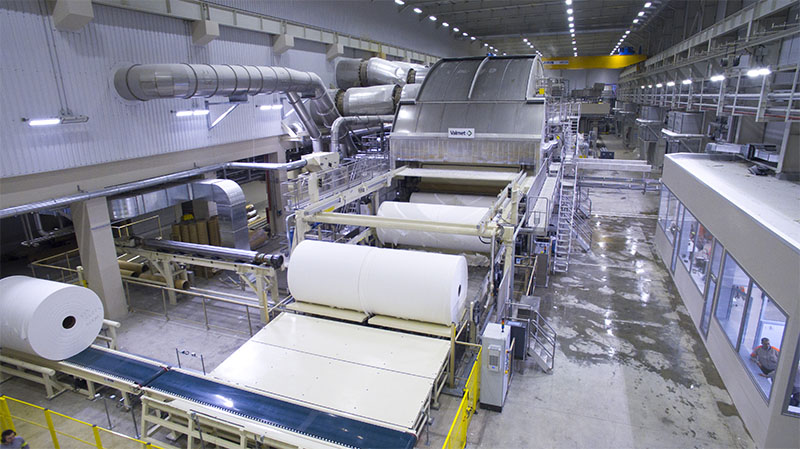
India is one of the largest producers and consumers of paper in the world. Over the years, the paper industry in India has grown steadily to meet both domestic and international demand. From school notebooks to packaging boxes, paper plays a key role in daily life and business activities. A paper manufacturer in India today serves a wide range of customers across the country as well as buyers in overseas markets.
How paper manufacturers in India manage export and domestic supply, the types of paper produced, quality standards, and why India is a preferred source for global buyers.
Growth of the Paper Industry in India
The paper industry in India has seen consistent growth due to increasing demand from education, packaging, printing, and e-commerce sectors. With rising literacy rates and expanding businesses, the use of paper products has increased in both rural and urban areas.
In recent years, the packaging industry has grown rapidly due to online shopping and retail expansion. This has increased demand for kraft paper, corrugated sheets, and other packaging materials. At the same time, printing and writing paper continues to be in demand for schools, offices, and publishing work.
Indian paper manufacturers have upgraded their production systems and adopted better technology to improve output and maintain consistent quality. This allows them to supply large volumes for both domestic use and export orders.
Types of Paper Manufactured in India
Paper manufacturers in India produce different types of paper based on customer requirements. Some of the common types include:
1. Writing and Printing Paper
This type is used for books, notebooks, magazines, newspapers, and office printing. It is available in different sizes and thickness levels depending on the use.
2. Kraft Paper
Kraft paper is widely used for packaging. It is strong and durable, making it suitable for corrugated boxes and wrapping purposes.
3. Duplex Board
Duplex board is mainly used in packaging for products like medicines, cosmetics, food items, and consumer goods. It has a smooth surface that supports good printing quality.
4. Tissue Paper
Tissue paper is used for hygiene and household purposes. It includes facial tissues, toilet paper, and napkins.
5. Specialty Paper
Some manufacturers also produce specialty paper used for specific applications such as thermal paper, label paper, and decorative paper.
By offering a wide range of paper products, Indian manufacturers can meet the needs of different industries in local and global markets.
Raw Materials and Production Process
Paper manufacturing in India uses various raw materials such as wood pulp, recycled paper, agricultural waste, and other natural fibers. Many manufacturers focus on using recycled paper to reduce environmental impact and promote sustainable production.
The basic process of paper manufacturing includes:
- Collection and preparation of raw materials
- Pulping process
- Cleaning and refining
- Sheet formation
- Pressing and drying
- Cutting and finishing
Modern production units use automated machines to maintain consistent thickness, strength, and smoothness of paper. Quality checks are conducted at every stage to ensure the final product meets required standards.
Domestic Supply Across India
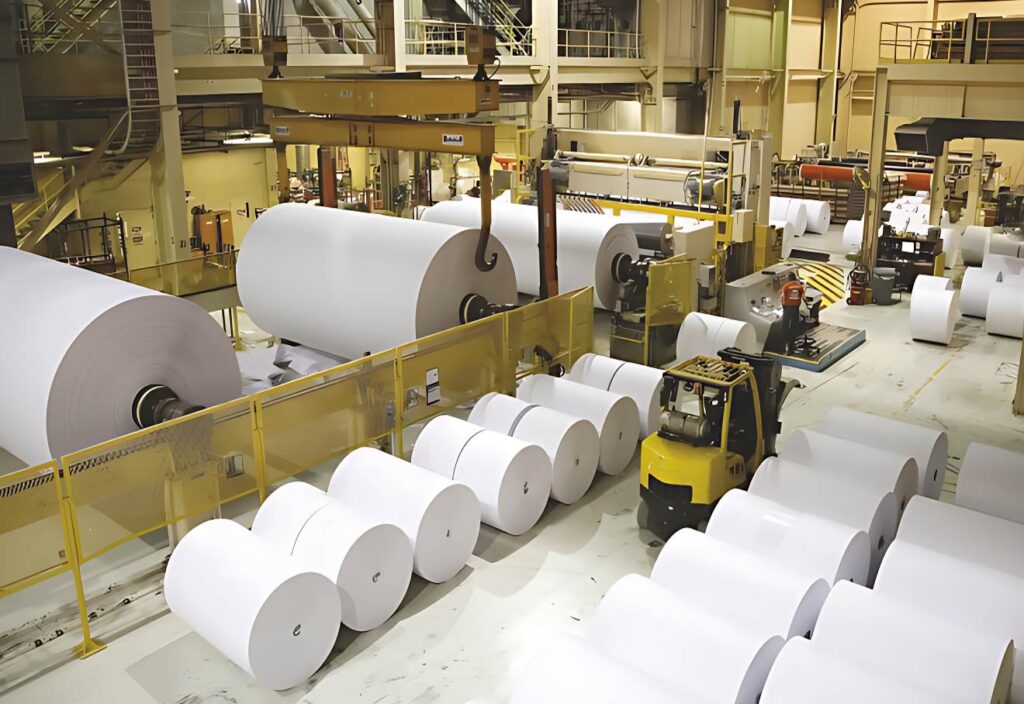
A paper manufacturer in India supplies products to wholesalers, distributors, retailers, printing presses, packaging units, and educational institutions across the country. Domestic demand remains strong due to continuous growth in education, retail, and industrial sectors.
Manufacturers maintain a strong supply chain network to ensure timely delivery to different states. Bulk orders are managed through proper inventory planning and transport arrangements. Some suppliers also provide customized sizes and packaging based on customer needs.
Domestic buyers often look for consistent quality, competitive pricing, and reliable delivery. Indian manufacturers work closely with clients to build long-term relationships and ensure repeat business.
Export Opportunities for Indian Paper Manufacturers
India is also a key exporter of paper and paper products. Many countries import paper from India due to competitive pricing, acceptable quality standards, and reliable production capacity.
Export markets include countries in Asia, Africa, the Middle East, Europe, and other regions. Indian paper manufacturers handle export orders by following international quality norms and packaging standards.
For export supply, manufacturers focus on:
- Meeting specific GSM and size requirements
- Proper moisture control
- Strong packaging to avoid damage during shipping
- Timely shipment schedules
- Required export documentation
Export buyers usually place bulk orders, and manufacturers plan production accordingly. Ports and logistics services play an important role in ensuring smooth export operations.
Quality Standards and Certifications
Quality is very important in the paper industry. Domestic and international buyers expect paper to meet specific standards in terms of thickness, brightness, strength, and finish.
Manufacturers conduct regular quality testing to check parameters such as:
- GSM (grams per square meter)
- Burst strength
- Moisture content
- Smoothness
- Printability
Some manufacturers also follow environmental guidelines and waste management practices. Using recycled material and reducing water usage are important steps toward sustainable production.
Consistent quality helps Indian paper manufacturers build trust in both domestic and export markets.
Benefits of Choosing a Paper Manufacturer in India
There are several reasons why buyers choose Indian paper manufacturers for export and domestic supply:
1. Cost-Effective Production
Production costs in India are generally competitive, which helps buyers get better pricing.
2. Wide Product Range
Manufacturers offer multiple types of paper under one roof, making sourcing easier.
3. Large Production Capacity
Indian manufacturers can handle bulk orders without affecting delivery timelines.
4. Skilled Workforce
The industry has experienced workers and technical experts who ensure smooth operations.
5. Growing Infrastructure
Improved transport, ports, and logistics systems support timely domestic and export supply.
These advantages make India a strong player in the global paper market.
Challenges in the Paper Industry
Like any industry, paper manufacturing also faces certain challenges. Fluctuation in raw material prices, power costs, and transportation expenses can affect overall pricing. Environmental regulations are becoming stricter, which requires manufacturers to invest in cleaner technology.
There is also competition from digital media, which has reduced demand for some printing papers. However, the growth in packaging demand continues to balance the market.
Manufacturers who focus on efficiency, cost control, and sustainable practices are able to manage these challenges effectively.
Future of Paper Manufacturing in India
The future of paper manufacturing in India looks stable and promising. Demand for packaging paper is expected to grow further due to increasing e-commerce and retail activity. Educational demand will also continue in the coming years.
Manufacturers are investing in better machines, energy-saving systems, and recycling processes to improve productivity and reduce environmental impact. Export demand is also likely to remain steady as global buyers look for reliable suppliers.
By focusing on quality, sustainability, and timely delivery, Indian paper manufacturers can strengthen their position in both domestic and international markets.
Conclusion
A paper manufacturer in India plays an important role in meeting the growing demand for paper products across various industries. With a wide product range, competitive pricing, and improving infrastructure, India has become a reliable source for both export and domestic supply.
From writing paper to packaging materials, Indian manufacturers are equipped to handle bulk orders while maintaining quality standards. As the industry continues to grow and adopt better practices, India will remain a key supplier in the global paper market.