India’s manufacturing sector is growing fast, and one of the biggest contributors to this growth is Industrial Machinery Manufacturing India. From construction equipment to textile machines, food processing machines, packaging systems, and heavy engineering tools, machinery plays a key role in almost every industry.
In 2026, the industrial machinery sector in India is changing quickly. New technologies, government support, and global demand are pushing companies to upgrade their processes. At the same time, customers are expecting better quality, faster delivery, and cost-effective solutions.
We will look at the top trends shaping Industrial Machinery Manufacturing India in 2026 and how businesses can stay ahead.
1. Automation and Smart Machines
Automation is no longer optional. It has become a necessity.
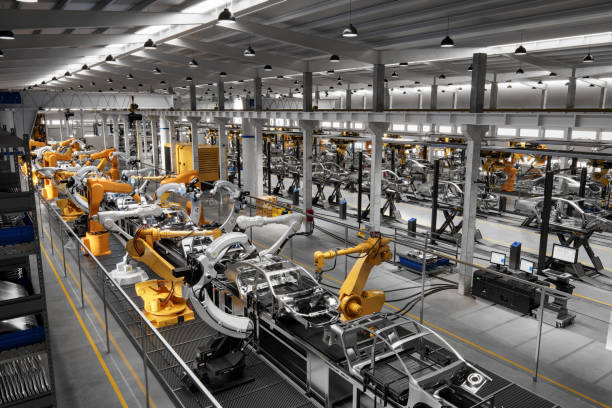
Many manufacturers in India are now using automated systems in their production units. Smart machines with sensors and software are helping companies reduce manual work and increase efficiency.
In 2026, more factories are using:
- CNC machines
- Robotics
- IoT-enabled equipment
- Automated assembly lines
These technologies help in:
- Reducing errors
- Improving product quality
- Saving time
- Lowering labor costs
An experienced Industrial Machinery Supplier India is also offering machines that are automation-ready. This allows businesses to upgrade easily in the future without replacing entire systems.
Automation is especially important for industries like automotive, pharmaceuticals, packaging, and food processing.
2. Focus on Energy Efficiency
Energy costs are increasing. At the same time, companies are becoming more aware of environmental impact. Because of this, energy-efficient machinery is becoming a top priority in Industrial Machinery Manufacturing India.
Manufacturers are designing machines that:
- Consume less electricity
- Reduce fuel usage
- Produce less waste
- Operate with higher efficiency
Government policies are also encouraging industries to adopt energy-saving equipment. Many businesses now prefer machinery that meets environmental standards.
An Industrial Machinery Supplier India that provides energy-efficient solutions has a strong advantage in the market.
In 2026, sustainability is not just a trend. It is becoming a standard requirement.
3. Growth of Make in India and Local Manufacturing
The Indian government continues to promote local manufacturing through initiatives like Make in India and Production Linked Incentive (PLI) schemes.
Because of this, Industrial Machinery Manufacturing India is seeing strong domestic demand. Many companies are choosing Indian-made machines instead of imported equipment.
Benefits of local machinery include:
- Lower cost
- Faster delivery
- Easier service support
- Availability of spare parts
Indian manufacturers are also improving quality to match international standards. As a result, exports are increasing.
In 2026, India is not only serving domestic markets but also supplying machinery to Africa, the Middle East, Southeast Asia, and Europe.
4. Digitalization and Industry 4.0
Industry 4.0 is changing how factories operate. Digital systems are helping manufacturers track production, monitor machine performance, and reduce downtime.
In Industrial Machinery Manufacturing India, companies are adopting:
- Real-time data monitoring
- Cloud-based systems
- Predictive maintenance software
- ERP integration
Predictive maintenance is especially useful. It helps companies identify machine issues before breakdown happens. This reduces downtime and saves money.
A modern Industrial Machinery Supplier India now offers machines with built-in digital monitoring features.
Digital transformation helps manufacturers become more competitive in global markets.
5. Customization and Flexible Solutions
Every industry has different needs. In 2026, customers are not looking for one standard machine. They want customized solutions.
Manufacturers are focusing on:
- Tailor-made machinery
- Flexible production lines
- Industry-specific equipment
- Scalable systems
For example, a food processing company may need different features compared to a textile unit.
Industrial Machinery Manufacturing India is now more customer-focused. Companies are working closely with clients to understand their needs before designing equipment.
This trend is helping build long-term business relationships.
6. Rising Demand from MSMEs
Micro, Small, and Medium Enterprises (MSMEs) are growing rapidly in India. These businesses need affordable and reliable machinery to expand their operations.
Because of this, there is a strong demand for:
- Compact machines
- Cost-effective equipment
- Easy-to-maintain systems
An Industrial Machinery Supplier India that offers budget-friendly solutions for MSMEs is seeing strong growth.
Financing options and government subsidies are also helping small businesses invest in new machinery.
This trend is expected to continue in 2026 and beyond.
7. Strong Export Opportunities
Indian machinery manufacturers are gaining recognition globally. Competitive pricing and improving quality are helping them compete with international brands.
In 2026, exports are increasing due to:
- Competitive labor costs
- Improved technology
- Better compliance with global standards
- Strong logistics support
Many international companies are sourcing machinery from India because of cost benefits and quality improvements.
Industrial Machinery Manufacturing India is slowly becoming a global hub for selected machinery segments.
Export growth also helps manufacturers scale their production and improve profitability.
8. Focus on After-Sales Service
In the machinery business, selling the machine is only the beginning. After-sales support is equally important.
Companies now expect:
- Quick installation
- Operator training
- Regular maintenance support
- Easy spare part availability
A reliable Industrial Machinery Supplier India understands this and builds strong service networks.
In 2026, after-sales service is becoming a key factor in customer decision-making. Companies prefer suppliers who provide long-term support.
Good service builds trust and repeat business.
9. Integration of AI and Smart Controls
Artificial Intelligence (AI) is slowly entering the machinery sector. Smart controls help improve performance and reduce waste.
AI can help in:
- Quality inspection
- Production planning
- Demand forecasting
- Process optimization
Though still growing, AI adoption is increasing in large manufacturing units.
In the coming years, Industrial Machinery Manufacturing India will see more AI-based solutions, especially in automated industries.
10. Improved Supply Chain Management
After global disruptions in recent years, companies are focusing on strong supply chain systems.
Manufacturers are:
- Sourcing raw materials locally
- Maintaining better inventory control
- Using digital tracking systems
- Reducing dependency on imports
This makes production more stable and predictable.
An efficient supply chain helps an Industrial Machinery Supplier India deliver machines on time, which improves customer satisfaction.
Conclusion
The year 2026 is bringing many positive changes for Industrial Machinery Manufacturing India. Automation, digital technology, energy efficiency, customization, and government support are driving the industry forward.
At the same time, customers are expecting high quality, reliable service, and affordable pricing. Companies that focus on innovation, customer support, and smart manufacturing will succeed in this competitive market.
Whether you are a manufacturer, factory owner, or business investor, understanding these trends can help you make better decisions.
India’s industrial machinery sector has strong potential. With the right strategy and technology adoption, Industrial Machinery Manufacturing India will continue to grow and compete on a global level.