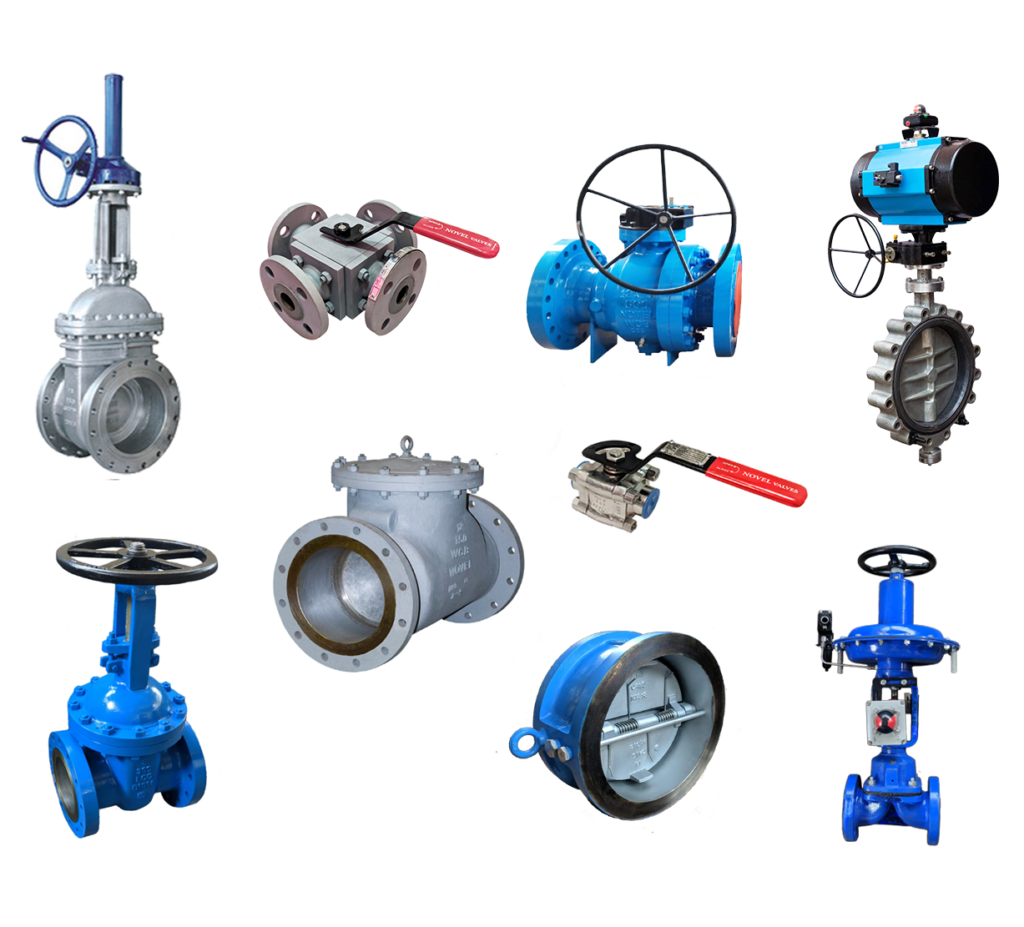
Valves are important parts used in many industries. They help control the flow of liquids, gases, and other materials through pipelines. Industries such as oil and gas, water treatment, chemical processing, food processing, and power plants use different types of valves for smooth operations.
India has become a strong hub for valve manufacturing. Many companies in the country produce high-quality valves for domestic and global markets. If you are searching for a valve manufacturer India, it is important to understand the types of valves available, how manufacturers work, and how to choose reliable valve suppliers.
This guide will help you learn about the valve industry in India and what to look for when selecting a manufacturer.
Summary:
India has become an important center for valve production. A reliable valve manufacturer India can provide a wide range of industrial valves used in many sectors. From water treatment plants to oil and gas pipelines, valves are essential components for controlling fluid flow.
Many experienced ball valve manufacturers produce strong, durable valves that meet industry standards. At the same time, trusted valve suppliers ensure smooth distribution and support for industrial buyers.
When selecting a manufacturer, businesses should focus on product quality, manufacturing experience, testing standards, and technical support. Choosing the right valve supplier helps ensure long-term performance, safety, and efficiency in industrial systems.
Overview of the Valve Industry in India
The demand for valves is growing in many sectors. Industrial growth, infrastructure development, and expansion of water management systems have increased the need for reliable valves.
A valve manufacturer India typically produces valves for industries such as:
- Oil and gas pipelines
- Chemical plants
- Water treatment facilities
- Power generation plants
- Food and beverage processing
- Pharmaceutical industries
- HVAC and building systems
Indian manufacturers often supply valves to both local and international markets. Many factories follow quality standards and modern manufacturing processes to meet industry requirements.
Common Types of Valves Manufactured in India
Different industries require different types of valves depending on pressure, temperature, and the type of fluid flowing through pipelines.
Ball Valves
Among the most widely used valves are ball valves. Many ball valve manufacturers in India produce valves that offer quick shut-off control and reliable sealing.
Ball valves use a rotating ball with a hole in the center to control flow. When the handle is turned, the ball rotates and allows or blocks the flow of liquid or gas.
Common uses include:
- Oil and gas pipelines
- Water supply systems
- Chemical processing plants
- Industrial fluid systems
Ball valves are known for their durability and easy operation.
Gate Valves
Gate valves are used when a straight flow of fluid and minimum restriction is needed. These valves open by lifting a gate out of the path of the fluid.
They are commonly used in:
- Water supply pipelines
- Industrial plants
- Power stations
Gate valves are ideal for applications where valves remain either fully open or fully closed.
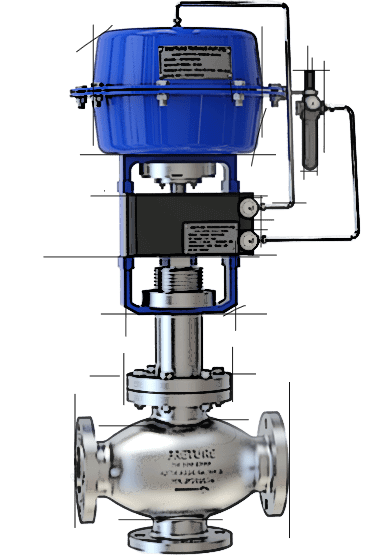
Globe Valves
Globe valves are used to regulate flow. The internal design allows precise control of liquid or gas movement.
These valves are often used in:
- Steam systems
- Cooling systems
- Fuel oil systems
They are helpful in situations where flow control is important.
Butterfly Valves
Butterfly valves are lightweight and compact. They use a rotating disc to control the flow.
Industries use them in:
- Water treatment plants
- Fire protection systems
- HVAC systems
Many valve suppliers offer butterfly valves because they are cost-effective and easy to install.
Check Valves
Check valves allow fluid to move in only one direction. They help prevent backflow in pipelines.
Common uses include:
- Pump systems
- Water pipelines
- Industrial fluid systems
These valves protect equipment and maintain system efficiency.
Materials Used in Valve Manufacturing
The performance of a valve depends greatly on the material used during production. A professional valve manufacturer India typically offers valves made from different materials for different applications.
Stainless Steel
Stainless steel valves are strong and corrosion-resistant. They are commonly used in chemical and food industries.
Carbon Steel
Carbon steel valves are widely used in oil and gas industries because they can handle high pressure and temperature.
Cast Iron
Cast iron valves are often used in water distribution systems and general industrial applications.
Brass and Bronze
Brass and bronze valves are commonly used in plumbing systems and low-pressure applications.
Manufacturing Process of Industrial Valves
Reliable ball valve manufacturers and valve producers follow a detailed manufacturing process to ensure quality.
1. Design and Engineering
The process begins with valve design. Engineers plan the structure, size, and pressure capacity of the valve.
2. Material Selection
The correct metal or alloy is selected based on the application requirements.
3. Casting or Forging
Valve bodies are created using casting or forging processes. These methods provide strength and durability.
4. Machining
Precision machines shape the valve components so they fit perfectly together.
5. Assembly
All parts such as the valve body, stem, seals, and handles are assembled carefully.
6. Testing
Before delivery, valves go through pressure testing and quality checks to ensure they meet safety standards.
Industries That Use Industrial Valves
Many sectors depend on reliable valve suppliers to maintain smooth operations.
Oil and Gas Industry
Pipelines transporting crude oil and natural gas require strong and leak-proof valves.
Water Treatment Plants
Valves regulate water flow and control pressure in treatment systems.
Chemical Industry
Chemical plants need corrosion-resistant valves to handle aggressive fluids.
Power Plants
Steam and cooling systems use valves to control temperature and pressure.
Food Processing
Food and beverage facilities use sanitary valves to maintain hygiene standards.
How to Choose the Right Valve Manufacturer in India
Selecting the right valve manufacturer India is important for long-term system reliability.
Here are some factors to consider.
Product Range
A good manufacturer offers different valve types such as ball valves, gate valves, butterfly valves, and check valves.
Quality Standards
Look for manufacturers that follow international quality standards and testing procedures.
Manufacturing Capacity
Experienced ball valve manufacturers often have modern machinery and skilled engineers to handle large production volumes.
Customization Options
Some projects require customized valve sizes or materials. Reliable valve suppliers usually provide custom manufacturing services.
Technical Support
Professional manufacturers provide product guidance, installation advice, and after-sales support.
Growing Global Demand for Indian Valves
The global market for industrial valves continues to grow. Many international buyers source products from India because of competitive pricing and strong manufacturing capabilities.
A valve manufacturer India can supply valves for:
- Infrastructure projects
- Industrial plants
- Energy facilities
- Municipal water systems
Indian manufacturers export valves to many regions including the Middle East, Europe, Africa, and Southeast Asia.
Importance of Quality Valves in Industrial Systems
Valves play a critical role in industrial safety and efficiency. Poor-quality valves can lead to leakage, system failure, or costly downtime.
Reliable valve suppliers ensure that valves:
- Maintain proper flow control
- Prevent leaks and pressure loss
- Protect equipment
- Improve operational safety
This is why many industries prefer working with experienced ball valve manufacturers and trusted suppliers.
Future of Valve Manufacturing in India
The valve manufacturing sector in India is expected to grow steadily in the coming years. Industrial expansion, smart infrastructure projects, and water management programs are increasing the demand for high-quality valves.
Manufacturers are also adopting modern technologies such as:
- CNC machining
- Automated testing systems
- Advanced metal casting
- Improved quality inspection methods
These improvements help Indian manufacturers compete in global markets.