What every business owner needs to know before placing a bulk order
If you buy soup spoons in bulk for your restaurant, hotel, airline, or food brand, you already know one thing not all spoons are the same. Some bend under pressure. Some warp with hot soup. Some look fine in samples but fail after a few batches.
Most of these problems come down to one thing: the factory you chose and the material they used.
This blog covers what materials Indian factories use for soup spoons, how the manufacturing process actually works, how long production takes, and how small factories compare to large ones. By the end, you will know exactly what to ask before placing your next order.
What Materials Do Indian Factories Use for Soup Spoons?
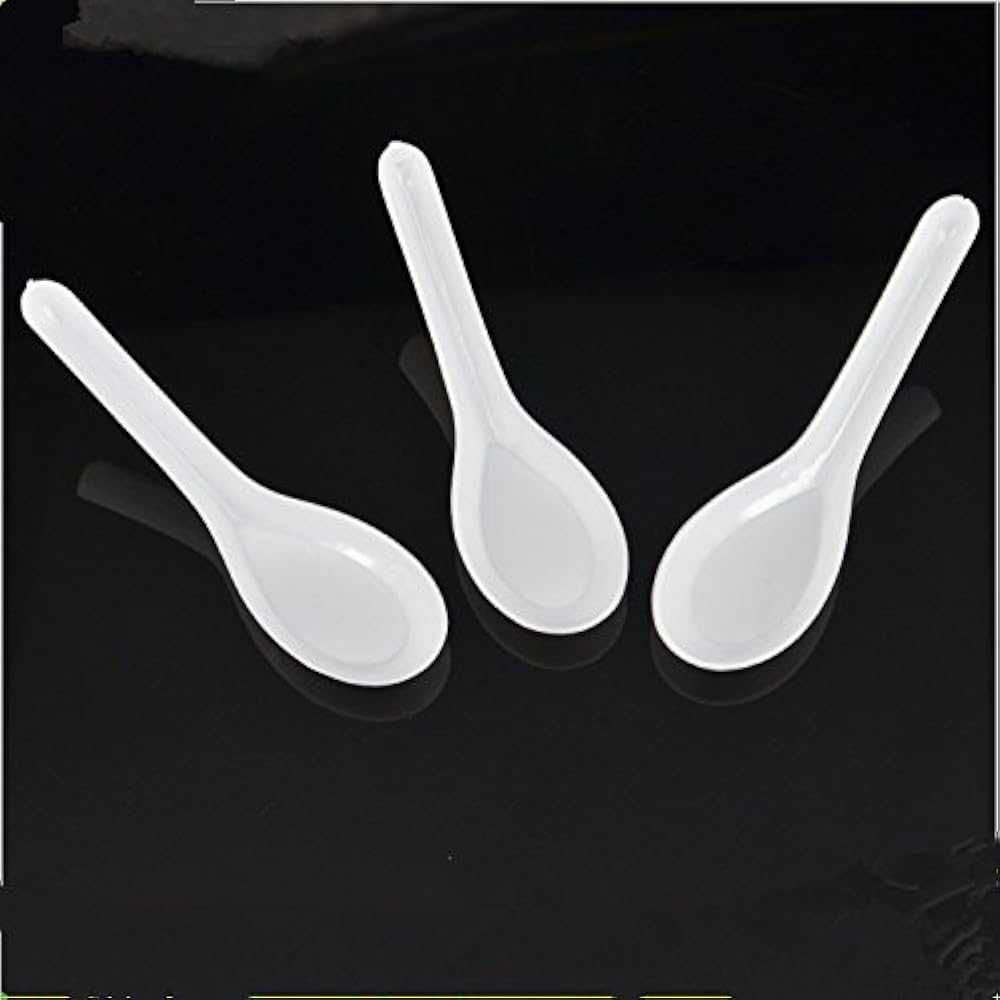
There are three main materials used across Indian soup spoon factories. Each one works differently, costs differently, and suits different types of food businesses.
Polypropylene (PP) — Best for Hot Soups
PP is the most common material used for soup spoons in India. It handles heat up to 100–120°C without bending or softening. This makes it the right choice for airlines, hospitals, and restaurants where soup is served hot.
PP spoons have a slight flex to them, so they do not crack easily. They are food-safe, widely tested, and accepted by FSSAI. Most large factories default to PP for soup spoon orders.
Polystyrene (PS) — Budget Option, Lower Heat Tolerance
PS gives a shinier, more premium look compared to PP. It is harder and more rigid. The problem is that PS softens at around 70–80°C, which means it is not a good choice for hot soups.
PS works well for cold soups, dessert spoons, or takeaway packs where soup temperature stays low. It costs around 10–20% less than PP in bulk, which is why many budget cutlery kits use it.
Biodegradable Materials — Growing but More Expensive
Some Indian factories now make soup spoons from CPLA or plant-based starch blends. These look similar to standard plastic spoons but break down faster after disposal.
They cost 30–50% more than PP and are mostly used by premium food delivery brands and eco-focused businesses. Lead times can be slightly longer since raw material sourcing is still limited compared to PP and PS.
Quick Comparison: PP vs PS vs Biodegradable
| Material | Heat Tolerance | Cost Level | Best Used For |
| PP (Polypropylene) | 100–120°C | Medium | Hot soups, airlines, hospitals |
| PS (Polystyrene) | 70–80°C | Low | Cold soups, retail packs |
| Biodegradable (CPLA) | 80–90°C | High | Eco-friendly packaging |
How Are Soup Spoons Made in Indian Factories?
All major Indian manufacturers use injection molding to produce soup spoons. Here is how the process works from start to finish.
1. Raw Material Check
Before production starts, the factory checks the plastic granules — PP, PS, or biodegradable — for moisture and contamination. Skipping this step is one of the most common reasons spoons come out with surface defects or weak spots.
2. Melting
The granules are fed into an injection molding machine and heated to 200–280°C depending on the material. The plastic melts into a liquid state and is held at a controlled temperature until injection.
3. Injection Into the Mold
The melted plastic is injected under high pressure into a steel mold shaped like the soup spoon. One cycle takes 8–15 seconds. Depending on the mold design, each cycle produces 4 to 16 spoons at once.
4. Cooling
Water channels inside the mold cool the plastic quickly and lock the spoon shape. This step directly affects how fast the factory can run. Poor cooling systems slow the whole line down.
5. Ejection and Trimming
The mold opens and the spoons are pushed out. Any thin plastic edges — called flash — are trimmed off. In larger factories this happens automatically. In smaller ones, workers trim by hand.
6. Quality Check
Spoons are checked for warping, cracks, incomplete filling, and sharp edges. Good factories also do heat resistance tests on samples from each batch. This step is often skipped by smaller factories, which is why batch consistency can vary.
7. Packing and Dispatch
Passed spoons are counted, packed into bulk bags or cartons, labeled with batch details, and prepared for dispatch.
How Long Does Soup Spoon Manufacturing Take in Indian Factories?
This is one of the most common questions buyers ask, and the honest answer is: it depends on your order size and whether you need customization.
Production Output by Factory Type
Large factories running multiple machines produce 200,000 to 1,000,000 soup spoons per day. Smaller factories with one or two machines produce 20,000 to 80,000 per day.
Realistic Lead Times by Order Quantity
| Order Quantity | Production Time | Packing Time | Total Lead Time |
| 10,000 – 50,000 units | 1–2 days | 1 day | 3–5 working days |
| 50,000 – 200,000 units | 2–4 days | 1–2 days | 5–8 working days |
| 200,000 – 500,000 units | 4–7 days | 2–3 days | 8–12 working days |
| 500,000+ units | 7–15 days | 3–5 days | 14–21 working days |
These are standard timelines for existing molds and single-color orders. Custom colors add 2–5 days. Logo printing or individual wrapping adds 3–7 days. New mold creation adds 20–30 days on top.
One thing many buyers miss: during October to January, most large factories run at near full capacity. If your order falls in this period, place it at least 3 weeks early to avoid delays.
Indian Factories Soup Spoon Manufacturing Comparison: Small vs Large
The type of factory you choose matters as much as the material. Here is a clear comparison so you can decide which one fits your business.
| Factor | Small Factory | Large Manufacturer |
| Daily Output | 20,000 – 80,000 units | 200,000 – 1,000,000 units |
| Minimum Order | 5,000 – 25,000 pieces | 50,000 – 100,000 pieces |
| Custom Colors | 2–3 standard colors only | Full color range available |
| Logo Printing | Rarely available | Yes, on spoon or packaging |
| Quality Control | Manual visual check only | Automated + heat resistance tests |
| Certifications | Often none | ISO 9001, FSSAI certified |
| Batch Consistency | Can vary | High consistency |
| Pricing | Cheaper for small orders | Better price at high volumes |
| Best For | Testing, small orders | Bulk, airlines, hospitals, chains |
A practical approach: if you are buying soup spoons for the first time or testing a new size, start with a small factory. Once your product spec is fixed and you have a regular volume, move to a large certified manufacturer for better consistency and pricing.
What to Check Before Placing a Bulk Order
- Always ask for samples first. Fill them with hot water and check for warping after 3 minutes. If the spoon bends, the material or thickness is wrong.
- Ask for FSSAI registration and ISO 9001 certification. If a factory cannot provide these, that is a sign to look elsewhere.
- Ask about current production load. A factory running at 100% capacity may not meet your timeline even if they say they can.
- Compare at least 3 suppliers. Prices in India vary significantly. A 10–20% price difference is common for the same product across different factories.
- For orders above 500,000 pieces or long-term supply, visit the factory before committing. Check how spoons are stored, how clean the floor is, and how workers handle the product.
Frequently Asked Question
Which material is right for hot soups — PP or PS?
Always choose PP for hot soups. It handles temperatures up to 120°C without softening. PS is fine for cold or room-temperature food but not for hot liquids.
What is the minimum order for soup spoons in India?
Small factories start from 5,000–10,000 pieces. Large manufacturers usually need at least 50,000–100,000 pieces for standard soup spoons. For custom designs or biodegradable material, the minimum is higher.
Can I get my logo printed on soup spoons in India?
Yes. Most large factories offer logo printing on the spoon handle or on individual wrapping. For handle printing, expect a minimum of 100,000 pieces. Packaging printing can start from 50,000 pieces. There is usually a one-time artwork setup cost.
How do I check if soup spoons are food-grade safe?
Ask the factory for the raw material MSDS (Material Safety Data Sheet) and their FSSAI registration certificate. If you are exporting, also ask for FDA or EU food contact compliance documents. Do not accept verbal assurances without paperwork.
Are biodegradable soup spoons available in India?
Yes, and the options are growing. Gujarat and Maharashtra have the most factories offering CPLA and plant-based spoons. They cost more and lead times are slightly longer, but they are a good fit if your brand focuses on sustainable packaging.
Final Thoughts
Buying soup spoons in bulk sounds simple, but the wrong material, the wrong factory, or a missed timeline can affect your entire service. PP is the safest choice for hot soups. Large factories give you better consistency and documentation. Small factories work well for smaller or one-time orders.
Test samples before you commit. Check certifications. And always confirm production timelines in writing — not just verbally.
A good supplier in India can give you steady quality at a price that makes sense for your business. The key is knowing what to look for before you sign the order.